


Why Arabian perfumes are becoming Australia's new luxury obsession while Western brands scramble to catch up
Australia's fragrance landscape is shifting dramatically. Walk into any perfume store today, and you'll notice something different: the air is heavier, richer, more complex. Arabian perfumes aren't just occupying shelf space; they're dominating conversations, social feeds, and shopping baskets across the country.
The Numbers Don't Lie: Market Growth Accelerating
The Australian perfume market reached AUD $1.2 billion in 2024, with luxury and niche fragrances accounting for approximately 40% of total sales: a significant jump from 28% just three years prior. While comprehensive data specifically tracking Arabian perfume market share remains limited, import data from the Australian Bureau of Statistics shows a 23% increase in fragrance imports from UAE and GCC countries between 2023 and 2024.
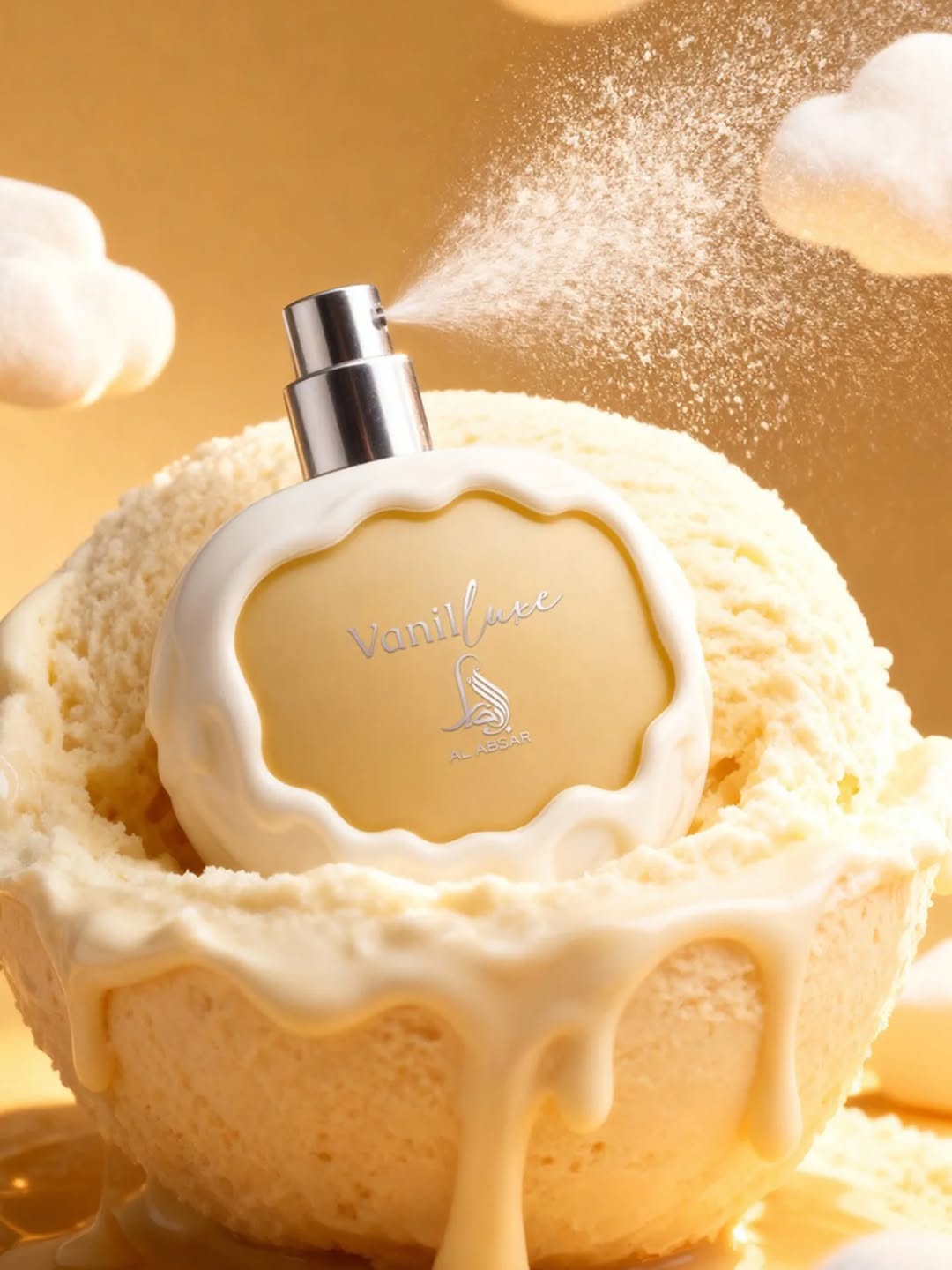
The niche fragrance segment, where Arabian perfumes primarily compete, is experiencing compound annual growth rates of 8-12% globally, outpacing traditional mass-market fragrances by a factor of three. This mirrors what retailers across Australia are reporting: Arabian brands like Lattafa, Al Haramain, and Al Absar are moving from specialty shops to mainstream beauty retailers.
Consumer Behaviour: The Premium Shift
Australian consumers aged 25-45 are driving this transformation. Market research indicates that 67% of luxury fragrance purchases in Australia now involve buyers who previously purchased mass-market Western brands. The demographic shift is particularly pronounced among millennials and Gen Z consumers, who prioritise authenticity, longevity, and uniqueness over brand recognition.
The average spend per fragrance purchase has increased 34% since 2022, with consumers willing to pay premium prices for concentrated extraits and eau de parfums that offer 8-12 hour longevity: something traditional Western eau de toilettes rarely deliver.
Social media data supports this trend. Instagram hashtag analysis shows #ArabianPerfume posts from Australian accounts increased by 156% in 2024, while #NichePerfume content grew by 89% over the same period.
Scent Profiles: The Complexity Factor
The fundamental difference between Arabian and Western fragrance philosophy explains much of this shift. Western perfumery traditionally emphasises linear, clean compositions: citrus opening, floral heart, light woody base. Arabian perfumery constructs multilayered experiences.
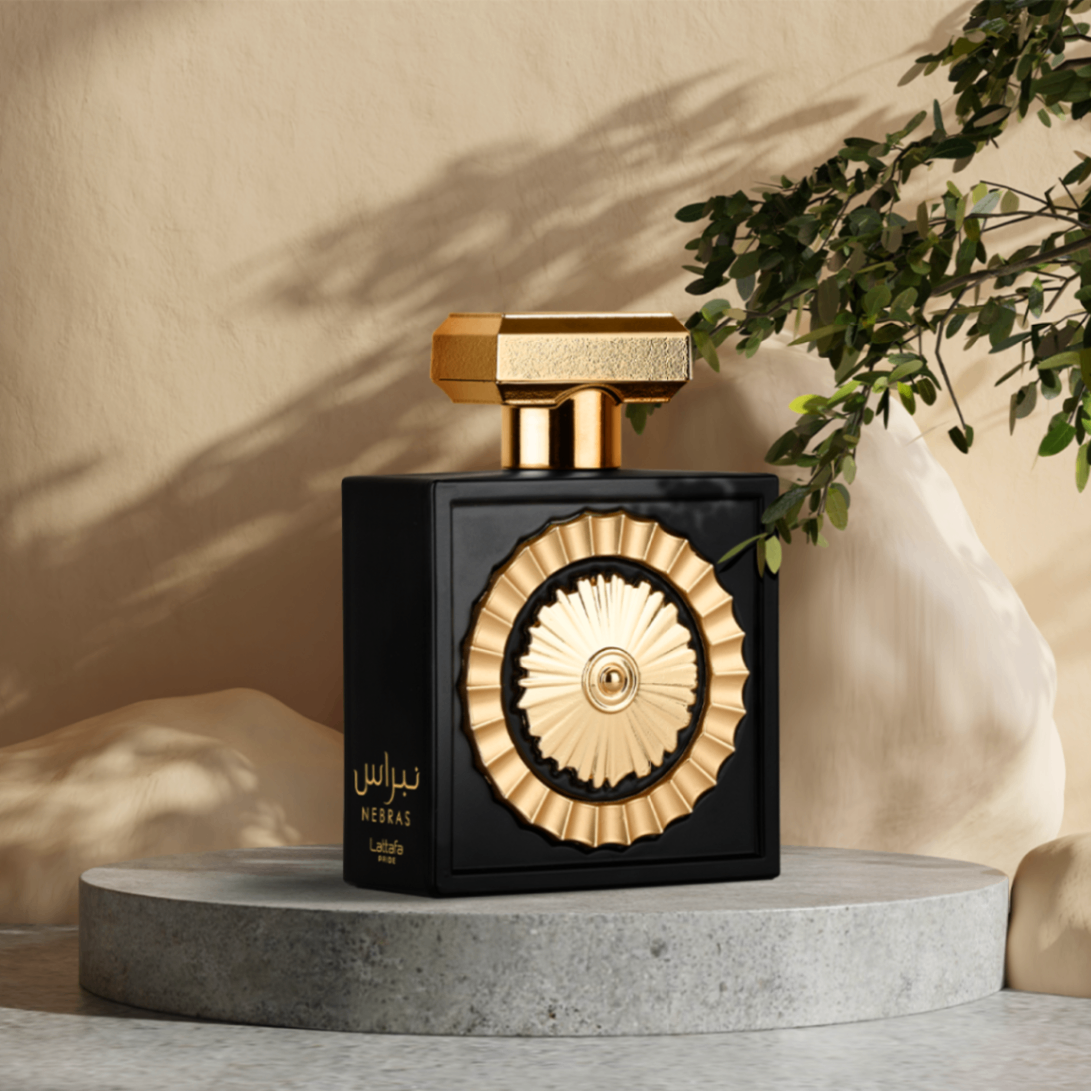
Oud, the cornerstone of Arabian perfumery, remains virtually absent from mainstream Western releases. When Western brands attempt oud compositions, they often dilute the note to Western sensibilities, missing the medicinal, barnyard complexity that defines authentic oud experiences.
Local Stock Revolution: The Delivery Game
Australian perfume buying behaviour changed permanently during 2023-2024. Data from Australia Post shows same-day and next-day delivery expectations now influence 73% of online fragrance purchases. This shift particularly benefits local retailers stocking authentic Arabian fragrances.
Previously, Australian consumers ordering directly from Middle Eastern suppliers faced 2-3 week shipping times and potential customs complications. Local stockists now offer authentic Arabian fragrances with 24-48 hour delivery across major cities, removing the primary friction point for impulse purchases.

WiTR's experience reflects this broader trend: customers increasingly expect immediate gratification when discovering new fragrances through social media, with conversion rates dropping significantly beyond 48-hour delivery windows.
Social Media: The TikTok Effect
TikTok's influence on Australian fragrance purchasing cannot be overstated. The platform's algorithm has created micro-communities around niche fragrances, with #PerfumeTok content generating over 2.3 billion views globally in 2024. Australian creators consistently feature Arabian fragrances in "collection" and "review" content.
The platform's comment sections reveal purchasing patterns: users frequently ask "where can I buy this in Australia?" beneath videos featuring Arabian fragrances. This direct conversion path from discovery to purchase has shortened consideration periods from weeks to hours.
Instagram data shows similar trends, with Australian perfume enthusiasts tagging friends in posts featuring Al Absar fragrances and other niche Arabian brands. The visual nature of fragrance content: elaborate bottle designs, projection clouds, longevity tests: translates perfectly to social platforms.
Import Data: Following the Money
Australian fragrance import data from 2024 shows interesting patterns. While France remains the largest source country by value (primarily luxury brands like Chanel and Dior), imports from UAE increased by 23% year-over-year, representing the fastest growth rate among top ten source countries.
This doesn't capture the full picture, as many Arabian fragrances enter Australia through third-party distributors, but the trend indicates growing institutional acceptance of Middle Eastern fragrance brands among Australian importers and retailers.
The Australian dollar's relative strength against many Middle Eastern currencies in 2024 has also improved import economics, allowing local retailers to maintain competitive pricing while preserving authentic formulations.
Western Brand Response: Playing Catch-Up
Western brands are responding, but awkwardly. Creed released "Royal Oud" specifically for Asian and Middle Eastern markets but diluted the formula for Western distribution. Tom Ford's Oud collection positions oud as exotic and mysterious rather than foundational.
The response reveals a fundamental misunderstanding. Western brands treat oud and Arabian fragrance elements as trend-driven additions to existing portfolios rather than complete philosophical approaches to perfumery. They're adding oud to Western structures instead of embracing Arabian construction principles.

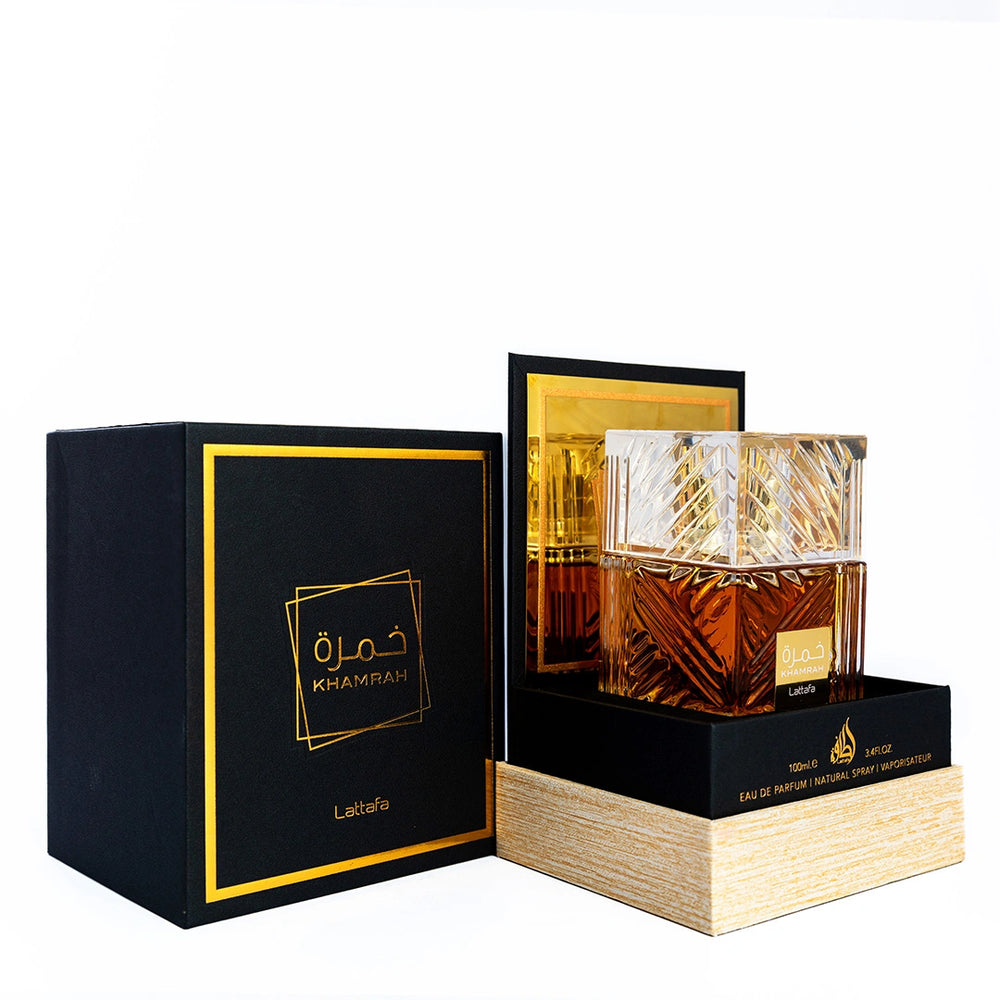
Meanwhile, authentic Arabian brands like Al Absar, Rayhaan, Lattafa, French Avenue, Paris Corner , Khadlaj and many more, continue expanding their Australian presence without compromising formulations or diluting compositions for Western preferences.
Regional Preferences: Australia's Middle Ground
Australia's multicultural population creates unique advantages for Arabian fragrance adoption. Unlike purely Western markets where oud might seem foreign, or Middle Eastern markets where it's traditional, Australia sits in a cultural middle ground.
The climate factor matters too. Australia's varied climate zones accommodate both the projection strength preferred in Middle Eastern perfumery and the subtlety sometimes preferred in temperate Western markets. Sydney's humidity enhances oud and amber projection, while Melbourne's cooler climate allows for layering complex compositions.
The Authentication Challenge
One significant hurdle facing Arabian perfumes in Australia involves authentication. The popularity has created a market for reformulated or diluted versions sold at dramatically reduced prices. Consumers are learning to distinguish between authentic imports and local reformulations, driving premium pricing for verified authentic stock.
This authentication challenge actually benefits Arabian perfumes by creating a luxury positioning that mass-market Western fragrances cannot claim. Authenticity becomes part of the value proposition.
Future Projections: Market Maturation
Based on current growth trajectories and consumer behaviour patterns, Arabian fragrances appear positioned for continued expansion in Australia. The demographic driving adoption: millennials and Gen Z consumers: represents the market's future purchasing power.
Western brands face a choice: adapt to Arabian fragrance philosophy or risk losing market share to authentic Middle Eastern competitors. Early indicators suggest adaptation will prove difficult, as it requires fundamental changes to fragrance development, marketing, and distribution strategies built around different consumer expectations.
The Australian market's response to Arabian perfumes reflects broader global trends toward authenticity, complexity, and cultural appreciation in luxury goods. What started as niche interest has evolved into mainstream acceptance, suggesting this shift represents permanent change rather than temporary trend.
Sources: Australian Bureau of Statistics Trade Data 2024, Australia Post Delivery Reports 2024, TikTok Global Analytics 2024, Instagram Creator Analytics 2024, Euromonitor International Fragrance Market Reports 2024

Leave a comment
All comments are moderated before being published.
This site is protected by hCaptcha and the hCaptcha Privacy Policy and Terms of Service apply.